


- Written by: Al Griffin
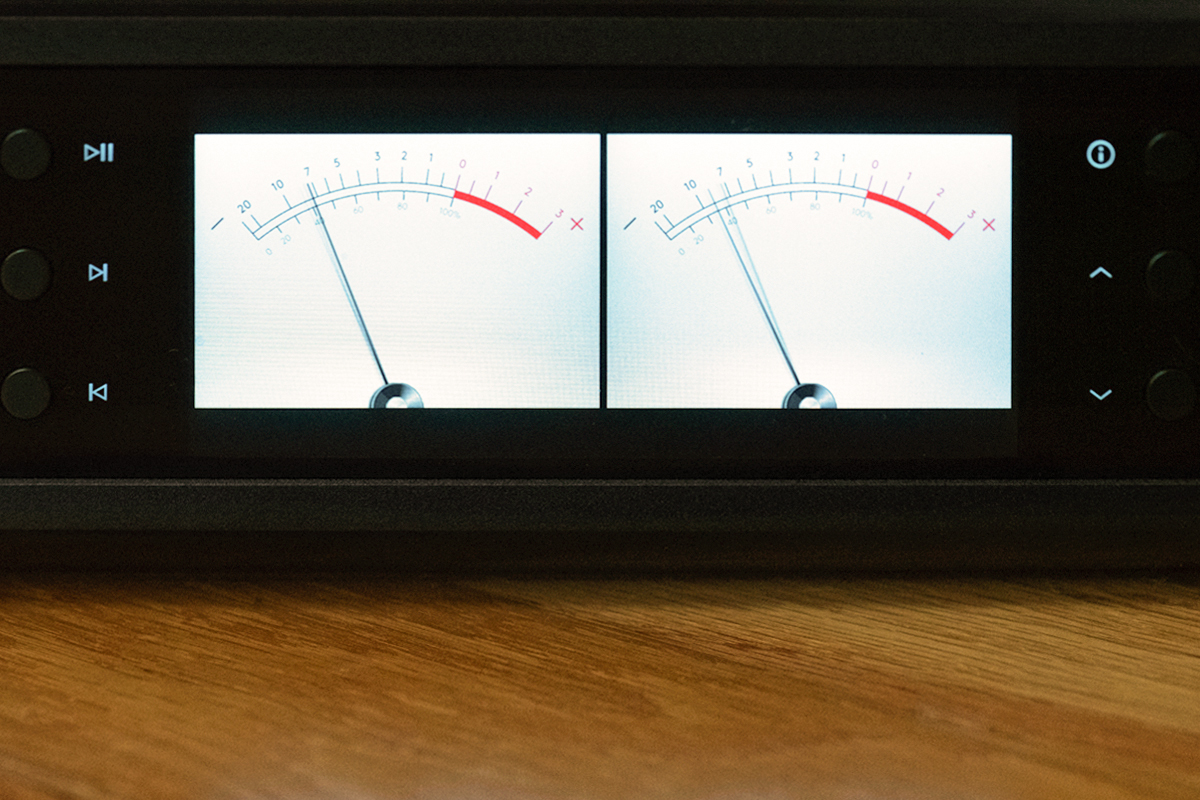
Cambridge Audio is a brand I’ve long admired for its straightforward approach to audio-equipment design. Whether it’s earbuds, amplifiers, or active speakers, Cambridge products deliver consistently good build quality and performance, and the company also manages to keep prices at a reasonable level—something many other audio manufacturers seem to have a problem doing.
- Written by: Al Griffin
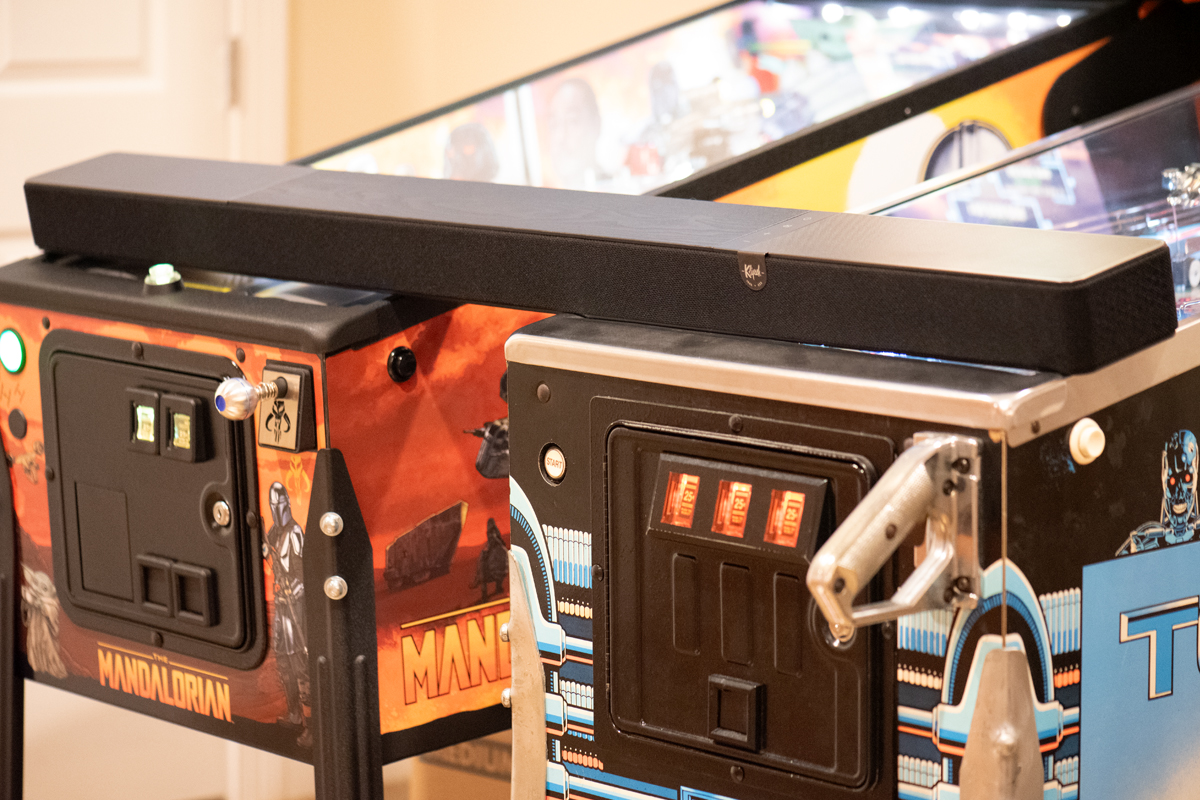
 Soundbars are generally thought of as a cheap, unfussy way to improve the audio part of the TV-viewing experience. The category tends to earn its “audio appliance” rep, though brands like Sonos have managed to elevate soundbars somewhat through features like built-in music streaming, room correction, and an ability to add wireless rear speakers and subwoofers to scale up to full surround sound. Klipsch’s Flexus Core soundbar family follows Sonos’s lead with a surround-sound scaling option. The company’s flagship model, the Klipsch Flexus Core 300 (US$1199.99, CA$1499, £1049, €1199), takes things even further by adding built-in streaming and Dirac Live—a sophisticated room-correction solution typically found in high-end A/V receivers and integrated amplifiers.

- Written by: AJ Wykes
Klipsch’s ProMedia 2.1 desktop speaker system convinced a generation of PC owners that computer audio did not have to be an afterthought. Released in 1999, it sold well, and remained on desks and shelves for years after its competitors had been landfilled. It was not particularly subtle, but at the time it seemed revelatory compared with the weak, forgettable desktop speaker systems it replaced.
Read more: Klipsch ProMedia Lumina 2.1 Desktop Speaker System
- Written by: Dennis Burger
Note: for the full suite of measurements from the SoundStage! Audio-Electronics Lab, click this link.
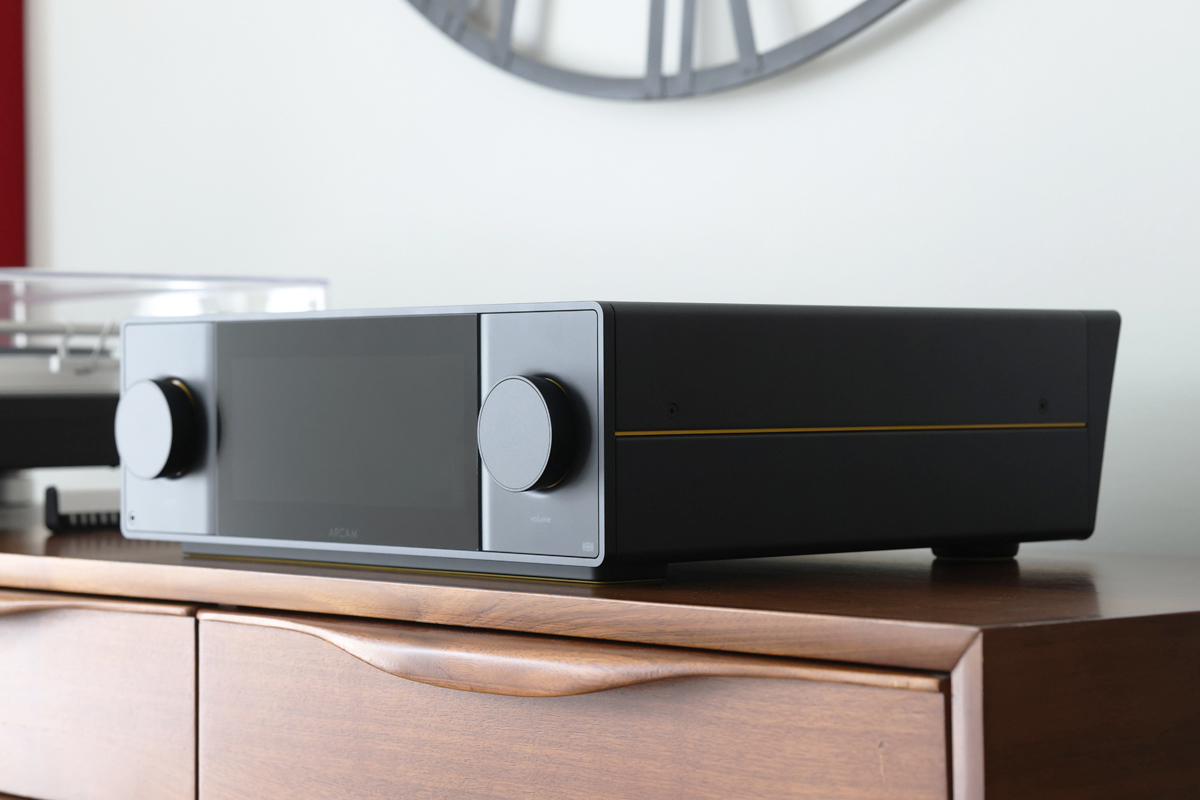
Let’s talk about wants versus needs for a minute, by way of introducing Arcam’s flagship streaming integrated amplifier, the Radia-series SA45 (US$5499.95, CA$7999, £4499, €4998). Do you need the 180Wpc of class-G amplification it delivers? I don’t know your life, but I’m pretty sure you don’t, unless your speakers are brutal loads or your room is downright palatial. Do you need the massive 8.8″ high-resolution display, which stretches to fill the space between the halo-accented volume-control and input-carousel knobs? Probably not. Do you need the sexy Radia industrial design, the hooded back panel, the balanced XLR inputs and outputs? Nope, nope, and nope.
- Written by: Al Griffin
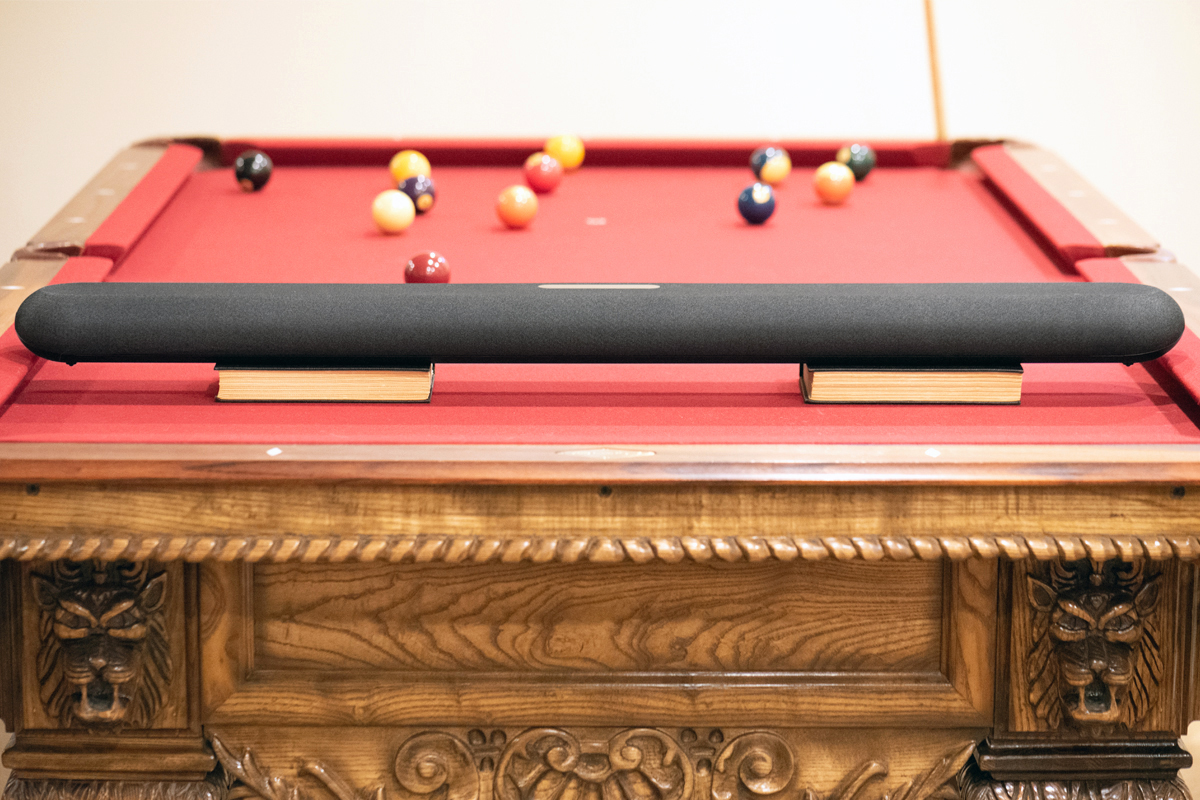
A few years ago, I made the switch from a traditional component-based home-theater audio system to a soundbar-based one for my TV viewing room. The reason? I got sick of being surrounded by so much stuff: Blu‑ray player, streamer, preamp-processor, amps, stacks of speakers—all of it connected with a tangle of cables.
- Written by: AJ Wykes
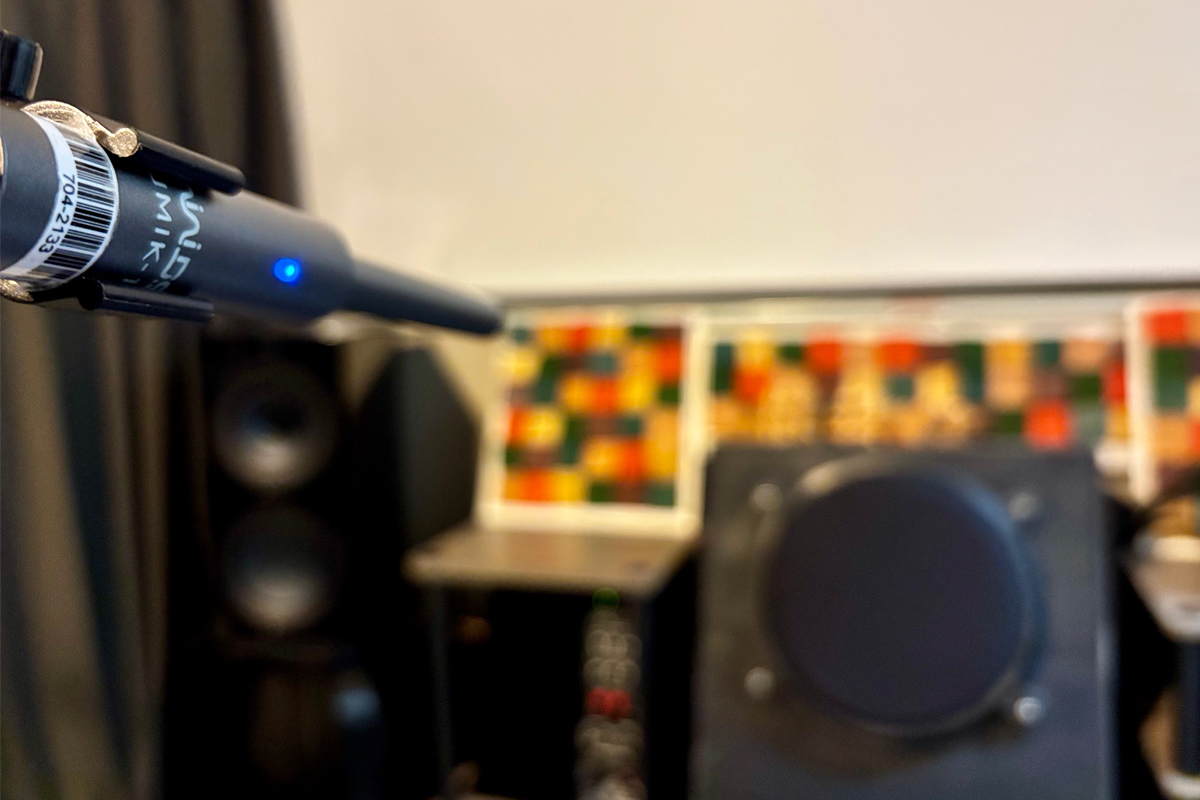
For all the attention devoted to loudspeaker design and amplifier specifications, many discussions about hi-fi overlook the elephant in the room, or rather the elephant that is the room. Our listening spaces profoundly shape what we hear, in ways that can make differences between electronic components comparatively meaningless.
- Written by: Roger Kanno
Note: for the full suite of measurements from the SoundStage! Audio-Electronics Lab, click this link.
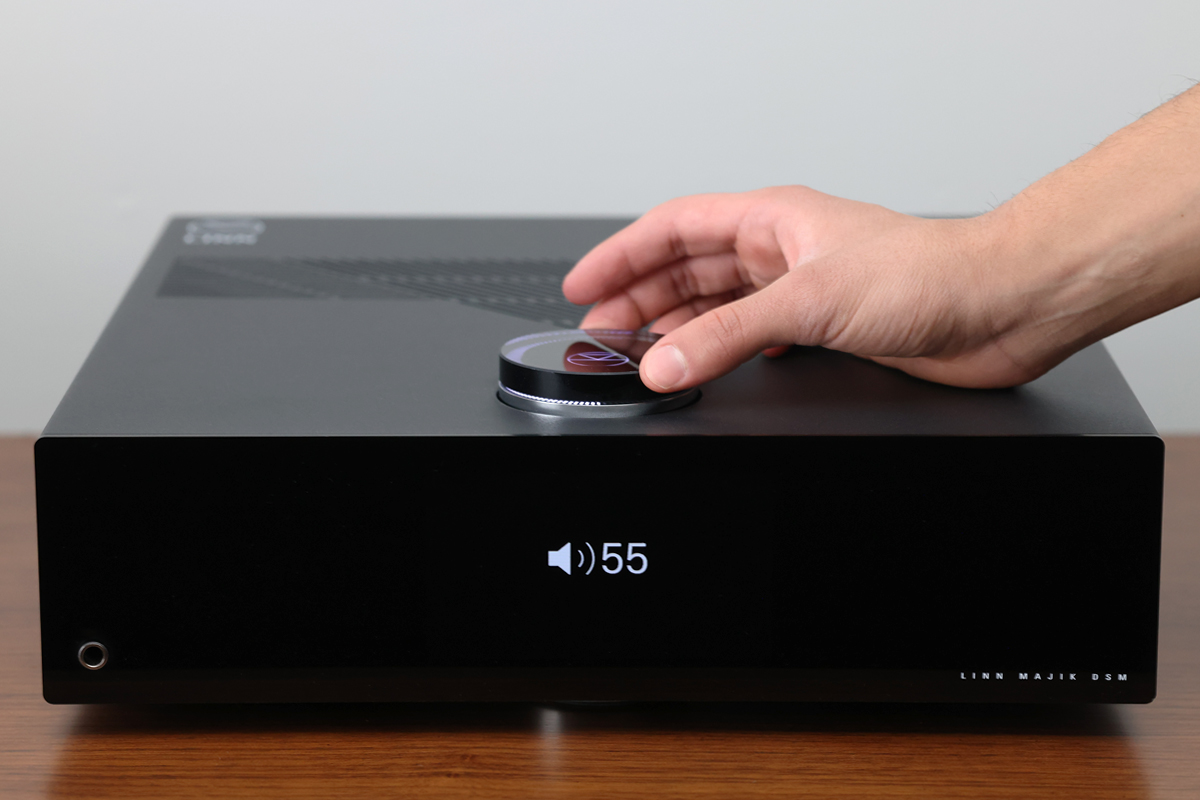
Linn Products may be best known for its Sondek LP12 turntable, originally introduced in 1972, but the Scottish brand has been manufacturing its DS streaming components since 2007. Linn ceased production of optical disc players back in 2009. Its three Network Music Players (Linn’s terminology for streaming components) are currently the only digital source components that the company offers. The least-expensive model is the Majik DSM, the subject of this review. It includes amplification, so it can be thought of as a streaming integrated amplifier. The two other models, the Klimax DSM and Selekt DSM, require separate power amplification.

- Written by: AJ Wykes
I’ve been curious about Devialet’s Phantom line of all-in-one wireless active loudspeakers ever since they first launched in 2015. The French company made bold claims about their technology, their engineering, and their willingness to reimagine what a speaker could be. So when the opportunity arose to review the latest iteration of the Phantom, the Phantom Ultimate, I jumped at it.
Read more: Devialet Phantom Ultimate 98 dB Streaming Active Loudspeaker System
- Written by: AJ Wykes
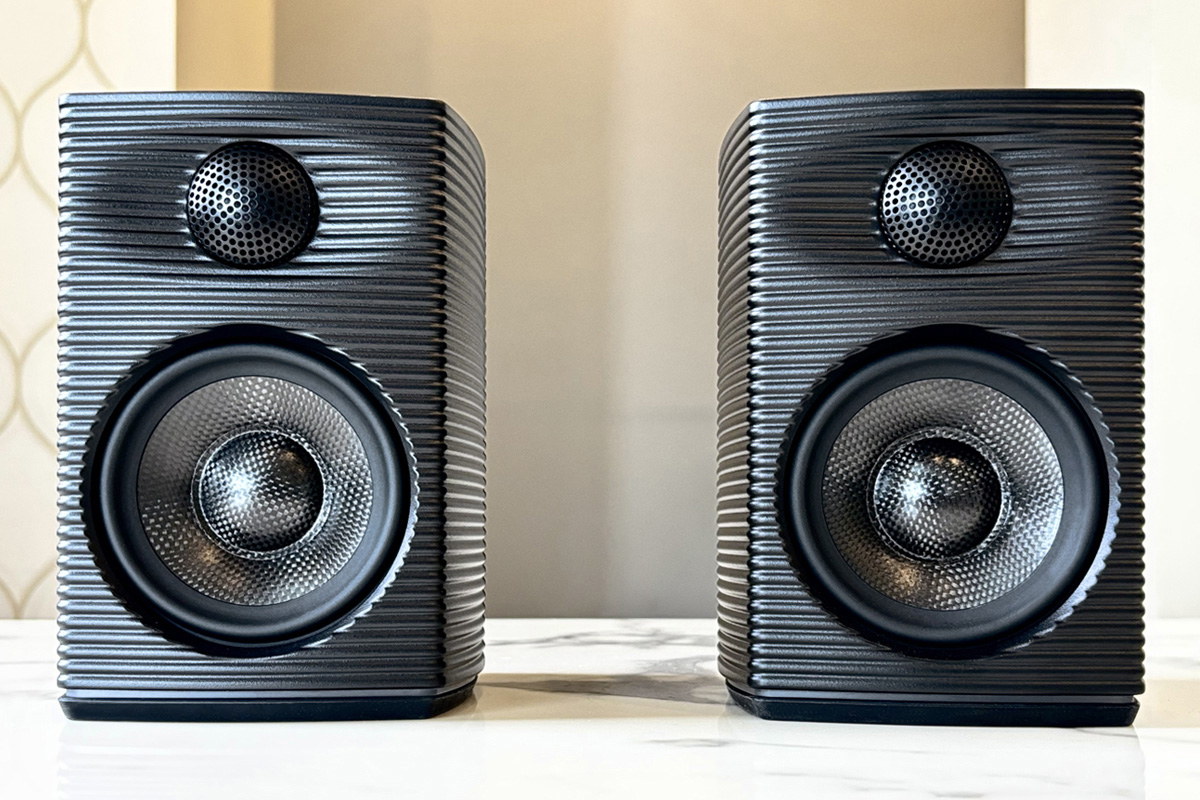
FiiO has made quite a name for itself in headphone-audio circles thanks to the quality of its well-priced portable electronics, which include DACs, DAPs, headphone amplifiers, and Bluetooth transmitters and receivers. Recently, the Chinese brand has been expanding its product offerings into other areas, such as headphones, turntables, and active loudspeakers.
- Written by: AJ Wykes
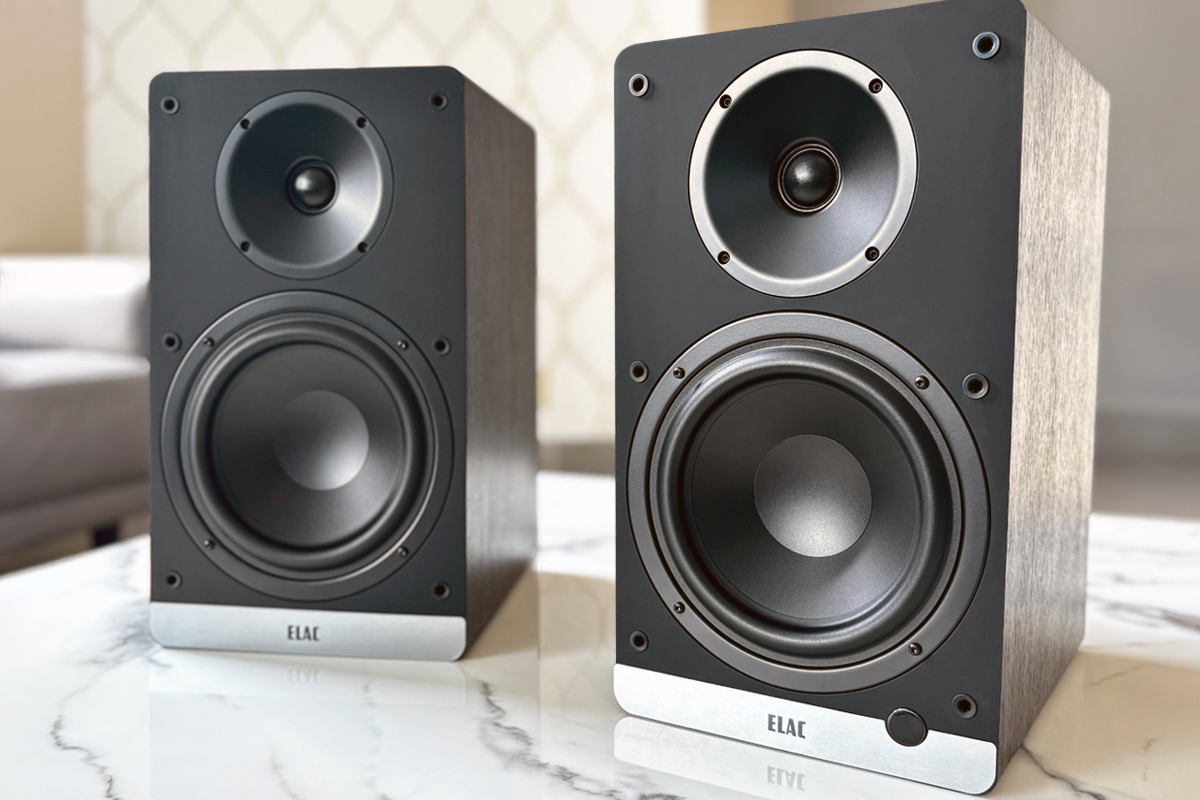
German loudspeaker manufacturer Elac has made a number of appearances on this site, with products like the all-analog active Navis ARB‑51 bookshelf and Navis ARF‑51 floorstanding loudspeakers having been featured in reviews here. More recently we featured the Debut ConneX DCB41, the company’s entry-level powered bookshelf speaker system (US$699), designed at Elac Research in Ontario, Canada, and reviewed by Gordon Brockhouse in March 2023.
Read more: Elac Debut ConneX DCB61 Active Loudspeaker System
- Written by: AJ Wykes
Note: for the full suite of measurements from the SoundStage! Audio-Electronics Lab, click this link.
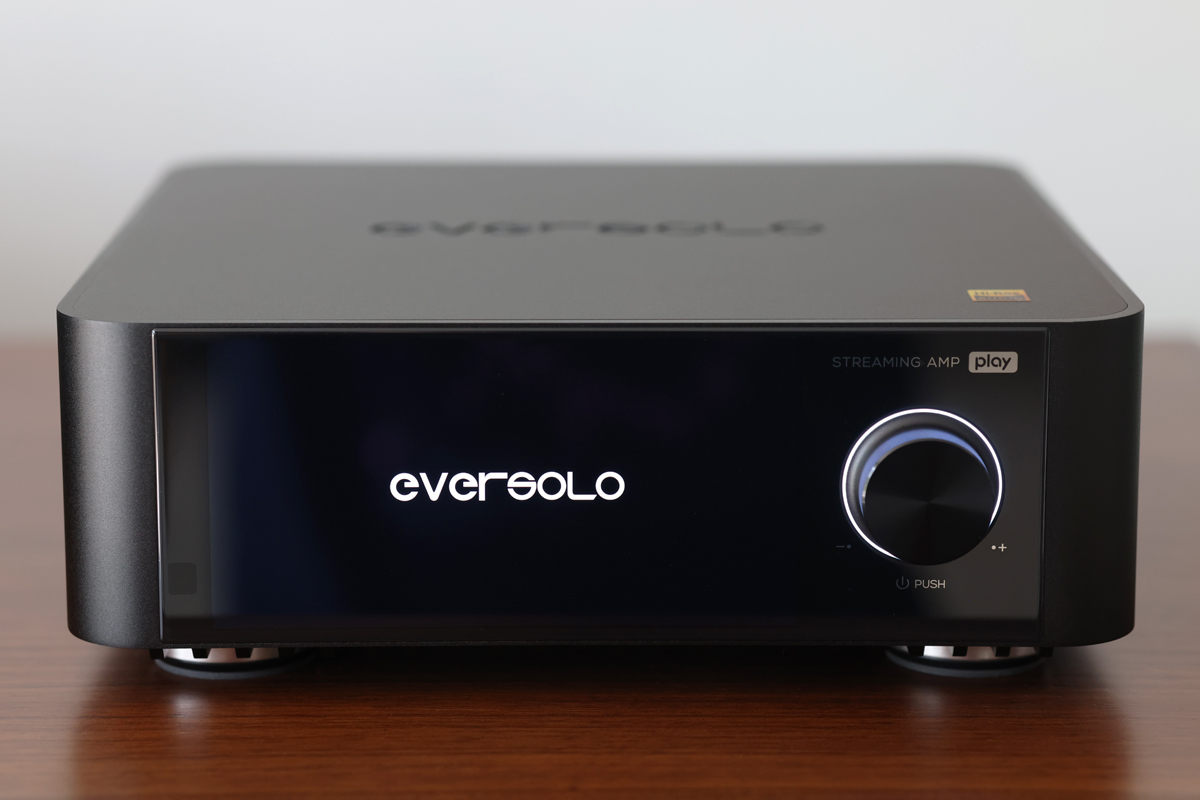
Eversolo is a relatively new name in hi-fi, though it may be familiar to followers of this site thanks to Roger Kanno’s recent review of the DMP‑A8 streaming preamplifier. During its short time on the market, the company has quickly garnered acclaim for products that are well built, feature customizable interfaces, and offer exceptional value.
- Fluance Ri71 Reference Powered Loudspeaker System
- Advance Paris PlayStream A7 Streaming Integrated Amplifier
- Bluesound Node Icon Streaming Preamplifier
- WiiM Ultra Streaming Preamplifier
- JBL Authentics 300 Portable Music System
- Cambridge Audio EXN100 Streaming Preamplifier
- Bluesound Node Streaming Preamplifier (2024)
- Roksan Caspian 4G Streaming Integrated Amplifier
- Victrola Stream Sapphire Streaming Turntable and Ortofon 2M Blue Cartridge
- Technics SC-CX700 Streaming Active Speaker System
- Eversolo Audio DMP-A8 Streaming Preamplifier
- Marantz Model M1 Streaming Integrated Amplifier
- Bluesound Node Nano Streamer
- Naim Audio Uniti Nova PE Streaming Integrated Amplifier
- Triangle Capella Active Loudspeaker System
- Q Acoustics M40 HD Powered Loudspeaker System
- Arcam Radia ST5 Streamer
- Roon Labs Nucleus One Music Server
- Rotel RAS-5000 Streaming Integrated Amplifier
- Marantz CD 50n Streaming CD Player
- KEF LSX II LT Streaming Active Speaker System
- Bluesound Pulse M Streaming Tabletop Music System
- Buchardt Audio Anniversary 10 Active Loudspeaker and Platin Stereo Hub WiSA Transmitter
- Bang & Olufsen Beosound Balance Active Loudspeaker
- Kanto Audio ORA Reference Active Speaker System
- Elipson Prestige Facet 6B BT Powered Loudspeaker System
- Bluesound Node X Streaming DAC-preamplifier
- System Audio Silverback 1 Active On-Wall Speaker System and Stereo Hub
- Volumio Integro Streaming Integrated Amplifier
- Pro-Ject Audio Systems T2 W Wi-Fi Turntable with Sumiko Rainier Cartridge
- Klipsch The Nines Active Loudspeaker System
- Bluesound Powernode Edge Streaming Integrated Amplifier
- Cambridge Audio Alva TT V2 Turntable
- NAD CS1 Network Music Player
- Rotel S14 Streaming Integrated Amplifier
- Triangle Borea BR03 BT Powered Loudspeaker System
- iFi Audio Neo Stream Streaming DAC-Preamplifier
- PSB Alpha iQ Streaming Active Loudspeaker System
- Elac Debut ConneX DCB41 Powered Loudspeaker System
- Bowers & Wilkins Panorama 3 Soundbar
- JBL 4305P Active Loudspeaker System
- Dynaudio Focus 30 Active Loudspeaker System
- SVS Prime Wireless Pro Active Loudspeaker System
- Totem Acoustic Kin Play Tower Powered Loudspeaker System
- System Audio Legend 7.2 Silverback Active On-Wall Speaker and Stereo Hub
- Roksan Attessa Streaming Integrated Amplifier
- JBL L75ms Integrated Music System
- KEF LS60 Wireless Active Speaker System
- Zidoo Neo S 4K UHD Media Player
- Q Acoustics M20 HD Powered Wireless Music System
- Sonus Faber Omnia Wireless Music System
- Bowers & Wilkins Zeppelin Wireless Speaker
- NAD Masters M10 V2 Streaming Integrated Amplifier
- Mission LX Connect Wireless Active Speakers and Hub
- Linn Series 3 Active Loudspeakers
- Bang & Olufsen Beolab 28 Active Loudspeakers
- KEF KC62 Powered Subwoofer
- NAD C 700 Streaming Integrated Amplifier
- iFi Audio Zen Stream Wi-Fi Streamer
- System Audio Legend 40.2 Silverback Active Loudspeakers and Stereo Hub WiSA Transmitter
- Bluesound Node Streaming DAC-Preamplifier
- Acoustic Energy AE1 Active Loudspeakers
- Q Acoustics Q Active 200 Active Loudspeakers
- Bluesound Powernode Multiroom Streaming Integrated Amplifier
- Edifier Airpulse A300Pro Active Loudspeakers
- KEF LS50 Wireless II Active Loudspeakers
- Bryston BR-20 Streaming Preamplifier-DAC
- HEDD Type 05 MK2 Active Speakers and Bass 08 Subwoofer
- SVS 3000 Micro Subwoofer
- Sony SA-Z1 Active Nearfield Loudspeakers
- Heavenly Soundworks FIVE17 Active Loudspeakers
- Marantz SACD 30n SACD/CD Player and Streaming DAC-Preamp
- DALI Oberon 1 C Active Loudspeakers and Sound Hub Wireless Transmitter
- PSB Alpha AM3 Powered Loudspeakers
- iFi Audio Neo iDSD DAC-Preamp-Headphone Amplifier
- Bluesound Pulse Sub+ Wireless Subwoofer
- PSB Alpha AM5 Powered Loudspeakers
- SVS Prime Wireless SoundBase Streaming Integrated Amplifier
- Focal Solo6 Be Active Loudspeakers
- Buchardt Audio A500 Active Loudspeakers and Stereo Hub WiSA Transmitter
- Klipsch The Fives Active Loudspeakers
- Triangle Elara LN01A Powered Loudspeakers
- Volumio Primo Community Edition and Hi-Fi Edition Streaming DACs
- System Audio Legend 5 Silverback Active Loudspeakers and Stereo Hub WiSA Transmitter
- Andover Audio Model-One Turntable Music System
- Elac Alchemy DDP-2 Streaming DAC-Preamp
- Focal Shape 65 Analog Active Loudspeakers
- HEDD Type 07 Analog Active Loudspeakers
- exaSound Audio Design Delta Music Server M100
- Bryston BDA-3.14 Streaming DAC-Preamplifier
- iFi Audio Pro iDSD Streaming DAC-Preamp-Headphone Amplifier
- Sennheiser Ambeo Soundbar
- DALI Rubicon 6 C Hybrid Active Loudspeakers
- Pro-Ject Audio Systems Pre Box RS2 Digital DAC-Preamp-Headphone Amp
- Klipsch RW-51M Wireless Powered Loudspeakers
- iFi Audio Aurora Wireless Music System
- Naim Audio Mu-so Qb 2nd Generation Wireless Music System
- Cambridge Audio CXA81 Integrated Amplifier-DAC
- Hegel Music Systems H120 Integrated Amplifier-DAC
- DALI Katch One Soundbar
- NAD Classic C 658 BluOS Streaming DAC
- Kanto Audio Tuk Powered Loudspeakers
- Lumin T2 Network Music Player
- Naim Audio ND5 XS 2 Network Music Player
- Elac Navis ARF-51 Active Loudspeakers
- Devialet Phantom Reactor 900 Active Loudspeakers
- PMC result6 Active Loudspeakers
- Bowers & Wilkins Formation Duo Active Loudspeakers
- Naim Audio Mu-so 2nd Generation Wireless Music System
- McIntosh Laboratory MTI100 Integrated Turntable
- Yamaha WXA-50 MusicCast Streaming Amplifier
- NAD Masters M10 BluOS Streaming Integrated Amplifier
- Primare SC15 Prisma Streaming DAC-Preamp
- Naim Uniti Core CD Ripper/Music Server
- Elac Navis ARB-51 Active Loudspeakers
- Bluesound Pulse 2i Wireless Speaker
- SVS Prime Wireless Active Speakers
- Totem Acoustic Kin Play Powered Speakers
- KEF LSX Active Loudspeakers
- Bluesound Vault 2i CD Ripper-Server-Streamer
- Pro-Ject Audio Systems Stream Box S2 Ultra Music Streamer
- Kii Audio Three DSP-Controlled Active Loudspeakers
- Aurender S5W Battery-Powered Wireless Active Loudspeakers
- Cambridge Audio Yoyo (L) Wireless Speaker
- DALI Callisto 2 C Active Speaker System
- Kanto SYD Bluetooth Speaker
- LG G7 ThinQ Smartphone
- Pro-Ject Audio Systems Juke Box E Turntable-Integrated Amplifier
- NAD D 3020 V2 Bluetooth Integrated Amplifier-DAC
- Polk Assist Wi-Fi Smart Speaker
- MartinLogan Unison Wireless Preamplifier
- Dynaudio Music 7 Wi-Fi Speaker
- Musical Fidelity M6 Encore 225 Music System
- Cocktail Audio X35 Music System
- Peachtree Audio decco125 Sky Integrated Amplifier-DAC
- Technics Ottava f SC-C70 Music System
- JBL Link 500 Wi-Fi Speaker
- Trinnov Amethyst DAC-Preamplifier-Processor
- Control4 Triad One Streaming Amplifier
- Elac Discovery Z3 Wi-Fi Speaker
- Klipsch Heritage Wireless Three Wi-Fi Speaker
- Paradigm PW 300 Wi-Fi Loudspeakers
- Thiel Audio Aurora Home Wi-Fi Speaker
- Hegel Music Systems H190 DAC-Integrated Amplifier
- Yamaha R-N803 Network Stereo Receiver
- Onkyo TX-8270 Network Stereo Receiver
- Dynaudio Focus 20 XD Active Loudspeakers
- Riva Audio Festival Wi-Fi Speaker
- Naim Audio Uniti Atom Wireless Streaming DAC-Integrated Amplifier
- NAD Masters Series M50.2 Digital Music Player
- Bryston BryFi BW-1 Wi-Fi Speaker
- Arcam rPlay Music Streamer
- Auralic Polaris Wireless Streaming DAC-Integrated Amplifier
- Simaudio Moon Neo ACE DAC-Streamer-Integrated Amplifier
- NAD C 368 DAC-Integrated Amplifier
- Lumin M1 Integrated Amplifier-Network Music Player
- Arcam Solo Music DAC-Integrated Amplifier-Universal Player
- McIntosh Laboratory RS100 Wi-Fi Loudspeakers
- Hegel Music Systems Röst Integrated Amplifier
- Naim Audio Mu-so Qb Wi-Fi Speaker
- Bang & Olufsen BeoSound 2 Wi-Fi Speaker
SoundStage! Simplifi is part of

All contents available on this website are copyrighted by SoundStage!® and Schneider Publishing Inc., unless otherwise noted. All rights reserved.
This site was designed by RocketTheme, Karen Fanas, and The SoundStage! Network.
To contact us, please e-mail info@soundstagenetwork.com